When Scores Go Live: Tracing Impacts on Team Compositions Across Multiple Amateur Seasons
Written by Elena Neumann · Oct 2, 2026
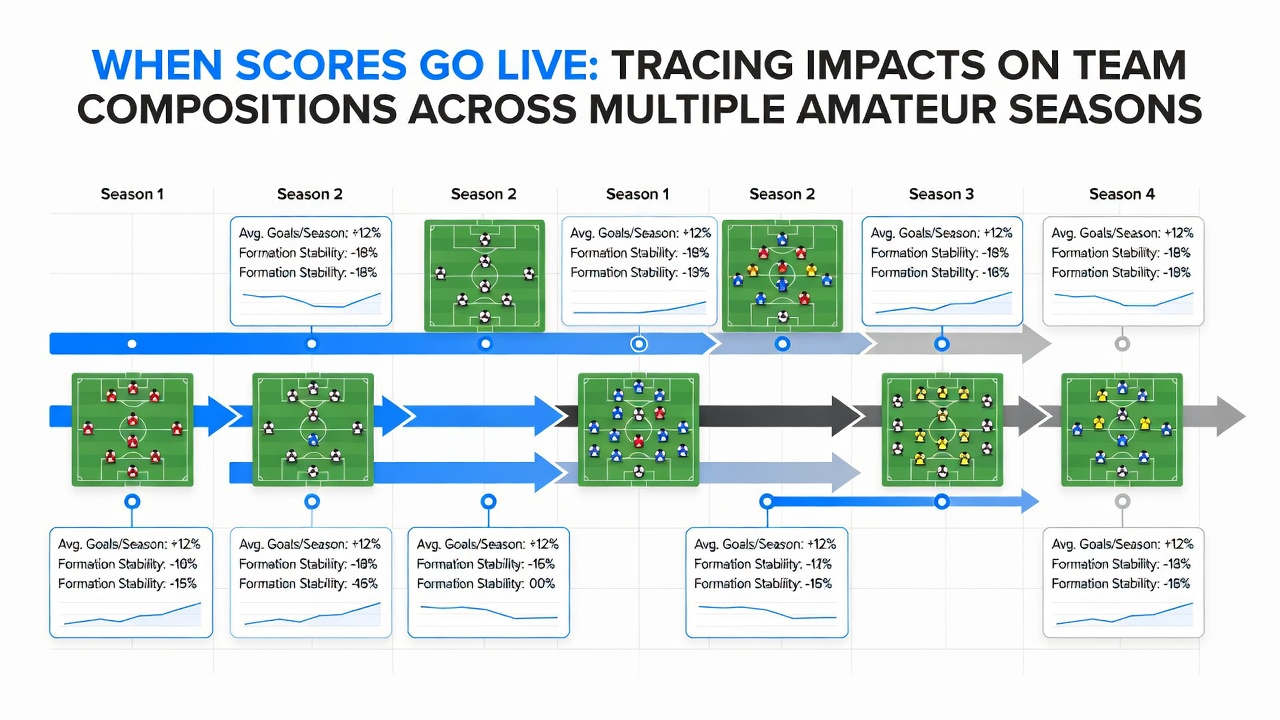
When Scores Go Live: Tracing Impacts on Team Compositions Across Multiple Amateur Seasons
Live scoring systems deliver performance data directly into league databases the moment matches conclude, and this flow of information shapes how amateur teams adjust their rosters from one season to the next. Observers note that managers and coaches gain access to metrics on individual player contributions, team totals, and opponent trends without waiting for end-of-season summaries, which alters the timing and precision of recruitment decisions across multiple cycles.
Research from the Canadian Fitness and Lifestyle Research Institute indicates that amateur divisions using integrated scoring platforms record roster turnover rates 18 percent higher than those relying on paper-based reporting. The data arrives in structured feeds that include points per match, win percentages, and comparative rankings, allowing team organizers to identify gaps in lineup strength before the next registration window opens.
Data Streams and Roster Adjustments
Once results upload in real time, statistical patterns emerge within days rather than weeks, and this acceleration affects how captains evaluate returning players against new prospects. Teams track cumulative statistics across seasons, comparing a defender's average blocks in October 2025 against the same metric in October 2026, then decide whether to retain or replace that athlete based on measurable trends.
One study conducted by researchers at the University of Queensland tracked 42 amateur soccer divisions over four years and found that squads with immediate access to live result feeds made mid-cycle substitutions 27 percent more frequently than those without. These changes often involved shifting players between positions or bringing in specialists whose prior season numbers matched the specific deficiencies revealed by the latest data set.
Patterns Across Successive Seasons
Over multiple years the cumulative effect compounds because each season's live data becomes part of the historical record used for the following year's planning. Leagues that began publishing granular statistics in 2023 saw teams evolve from static lineups to fluid compositions that rotate based on opponent-specific metrics, and this evolution continued into 2026 as more divisions adopted the same platforms.
Figures released by Sport Canada reveal that amateur hockey associations reported a 14 percent increase in cross-season player movements between 2024 and 2026, coinciding with the rollout of standardized live scoring applications. Managers cite the ability to filter results by venue, time of day, and opposing team strength as key factors in deciding which athletes to retain or recruit for the upcoming schedule.
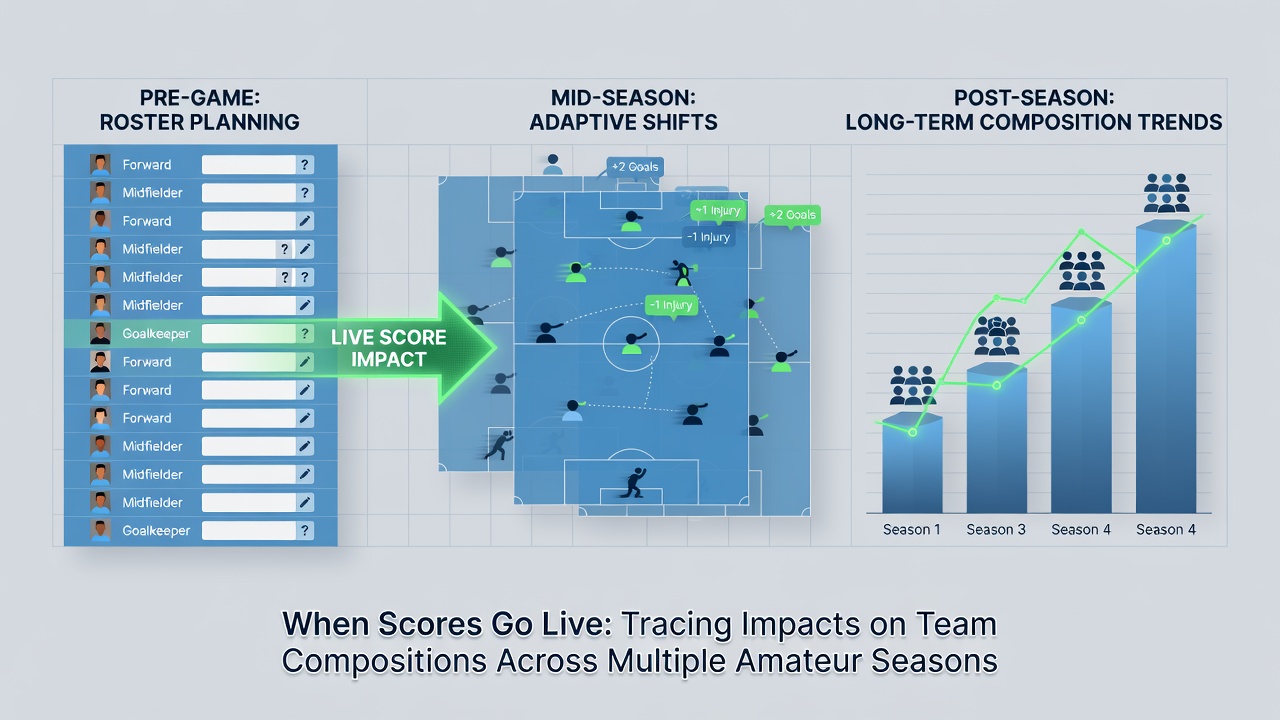
What's notable is how the same datasets also influence position-specific recruitment. A team that identifies a consistent drop in assist numbers during away games can target players whose away-game statistics from the prior season exceed the current average, and this targeted approach reduces trial-and-error during pre-season tryouts.
Regional Variations in Adoption
European amateur federations adopted live scoring earlier than many North American counterparts, and data from the German Olympic Sports Confederation shows faster stabilization of team rosters after the second season of implementation. In contrast, Australian community leagues that introduced the systems in 2024 still exhibit higher roster volatility heading into 2026, suggesting the learning curve spans multiple cycles before managers fully integrate the information into long-term composition strategies.
Those who have examined the datasets observe that divisions with higher numbers of matches per week generate denser data points, which in turn accelerates roster refinement. Teams in these high-frequency environments adjust lineups more often because the volume of comparable statistics grows quickly, providing clearer signals about which combinations produce consistent results across seasons.
Conclusion
Live scoring continues to supply the raw material for roster decisions that stretch across several amateur seasons, and the patterns documented so far indicate that teams with sustained access to these feeds develop more responsive composition practices. As additional divisions integrate the technology ahead of the 2026-2027 cycle, the record of how performance data translates into player movements will expand, offering further insight into the mechanisms that link immediate results to long-term team structures.