Structuring Success: The Frameworks Behind International Sports Tournaments
Written by Mara Jung · Sep 4, 2026
Structuring Success: The Frameworks Behind International Sports Tournaments
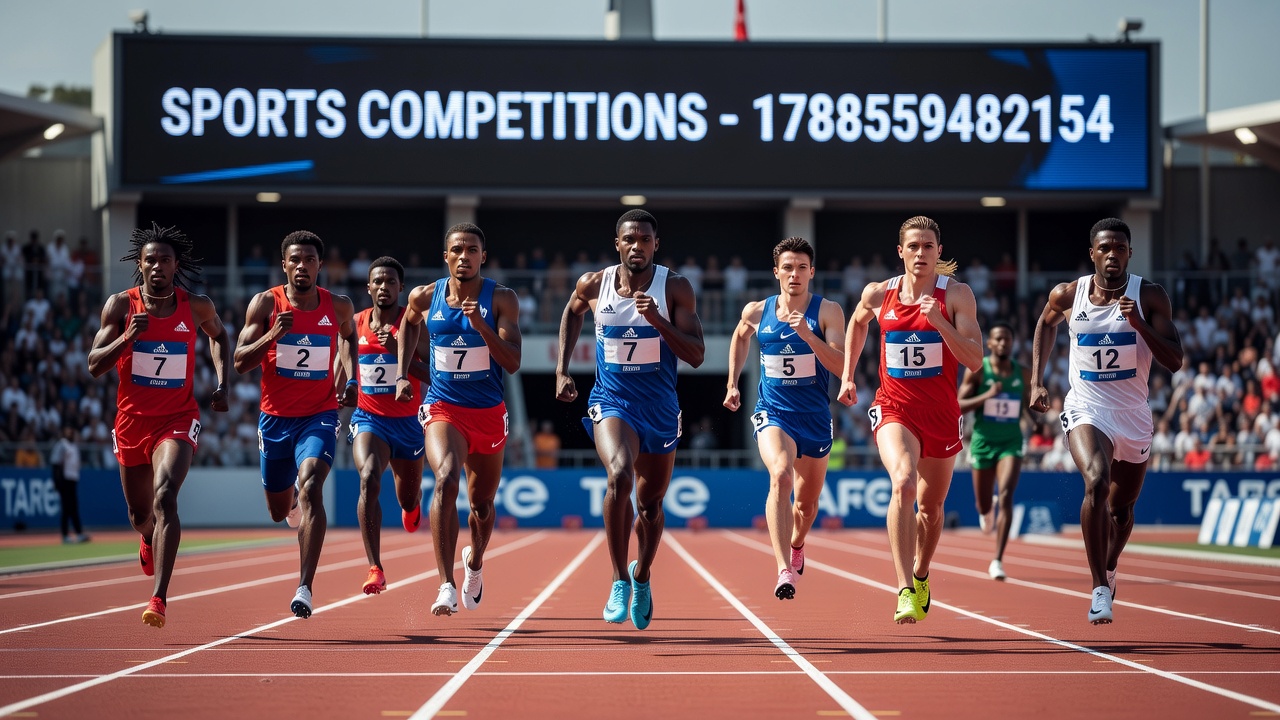
International sports tournaments operate through layered organizational systems that coordinate athletes, venues, and governing bodies across continents, and these frameworks have expanded significantly since the mid-20th century. Data from the International Olympic Committee shows that the number of recognized international federations grew from 35 in 1960 to over 90 by 2024, while participation figures in events like the Olympics rose from roughly 5,000 athletes in 1960 to more than 11,000 in recent editions. Such growth reflects coordinated efforts by national committees and event organizers who align rules, qualification pathways, and scheduling protocols to maintain consistency across diverse sports.
Qualification Pathways and Selection Criteria
Most major tournaments rely on tiered qualification systems that filter athletes through regional, national, and continental events before granting entry to the global stage. Researchers at the Australian Institute of Sport have documented how these pathways incorporate performance benchmarks, ranking points, and quota allocations that vary by sport and region. In team sports such as basketball and volleyball, continental championships often serve as primary gateways, whereas individual sports like athletics and swimming use world rankings combined with specific time or distance standards. Observers note that these criteria help balance representation from different continents while preserving competitive integrity, although the exact formulas receive periodic reviews after each Olympic cycle.
Venue Selection and Infrastructure Standards
Host cities and venues undergo multi-year evaluation processes that examine transport networks, accommodation capacity, and compliance with technical specifications issued by each sport's international federation. A 2023 report from the Canadian Olympic Committee detailed how bidding committees must demonstrate legacy plans for facilities that extend beyond the event itself, including conversion options for community use or future competitions. Stadiums and arenas typically require modular seating, broadcast infrastructure, and medical facilities that meet minimum thresholds set by organizations like World Athletics or FIBA, and these standards have tightened as spectator expectations and media requirements have increased.
Scheduling and Calendar Coordination
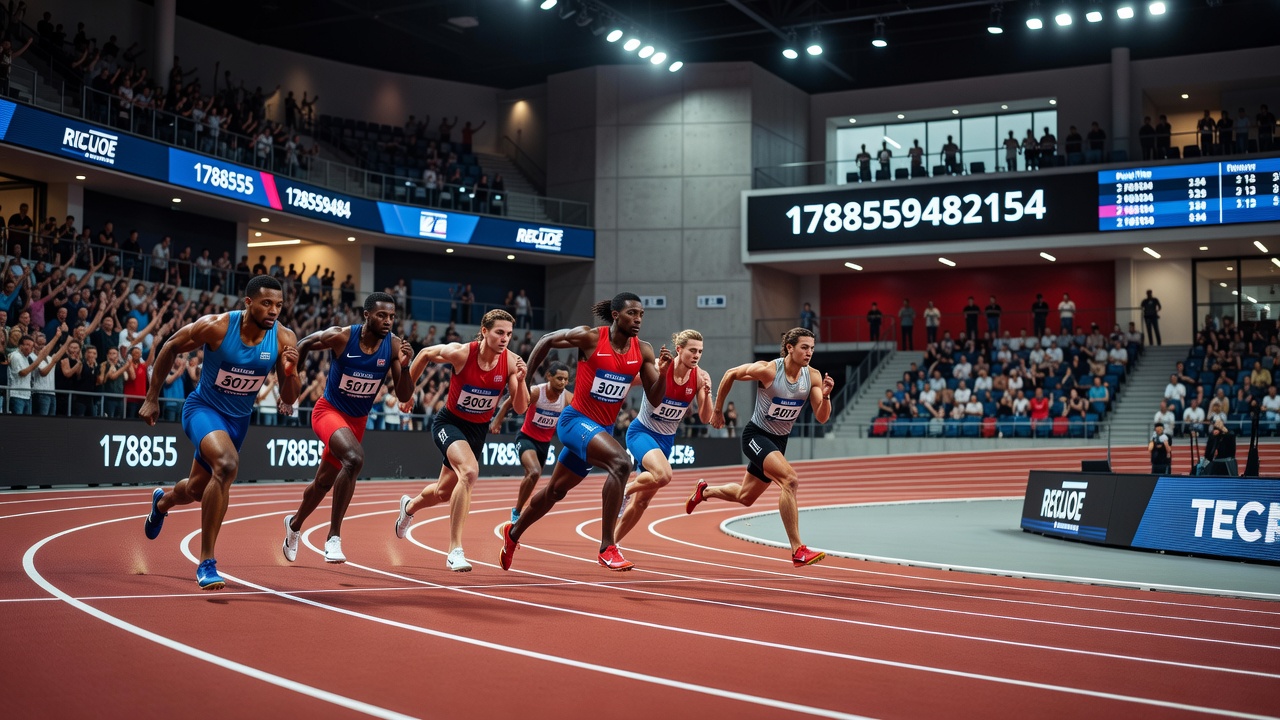
Global calendars attempt to avoid clashes between major events so that athletes can prepare adequately and broadcasters can allocate coverage. The Olympic cycle serves as the anchor point around which many federations position their own world championships, and adjustments occur when new sports gain inclusion or when external factors such as climate conditions affect outdoor events. Figures released by the European Olympic Committees indicate that over 60 percent of European national federations now use shared digital platforms to cross-reference athlete availability and reduce fixture congestion during peak seasons. These coordination efforts have become more critical as the number of annual competitions has risen, particularly in emerging disciplines like esports-adjacent athletic events and adaptive sports categories.
Rule Harmonization and Technology Integration
Standardized rulesets allow athletes from different training systems to compete under identical conditions, yet federations continue to refine interpretations and equipment specifications. Video review protocols, electronic timing systems, and anti-doping measures now form core components of tournament operations, and adoption rates vary by sport and available resources. Studies conducted at universities in the Netherlands and Japan have examined how sensor-based judging in gymnastics and diving affects scoring consistency compared with traditional human panels, revealing measurable reductions in inter-judge variability when technology supplements visual assessment. Implementation timelines often stretch across multiple seasons to allow training adjustments and equipment procurement.
September 2026 Outlook and Upcoming Adjustments
Planning documents for events scheduled around September 2026 show continued emphasis on sustainability metrics and athlete welfare provisions, with several federations piloting reduced travel schedules and carbon-offset programs. Qualification windows for certain 2028 Olympic sports will open during this period, prompting national bodies to finalize selection criteria and training camps. Data compiled by the New Zealand Olympic Committee projects modest increases in athlete entries from Oceania nations due to expanded continental quota allocations, while overall tournament budgets face scrutiny amid rising operational costs for security and broadcast rights.
Conclusion
International sports tournaments function through interconnected systems of qualification, venue standards, scheduling, and rule frameworks that adapt to participation growth and technological change. Information gathered from governing bodies and research institutions demonstrates steady evolution in these structures, with ongoing refinements aimed at maintaining fairness and accessibility across regions. As calendars extend into 2026 and beyond, coordination among federations remains central to delivering consistent competitive environments for athletes worldwide.