Ranking Fluctuations Trigger Registration Modifications in Leagues Running Multiple Seasons
Written by Katja Coleman · Jul 23, 2026
Ranking Fluctuations Trigger Registration Modifications in Leagues Running Multiple Seasons
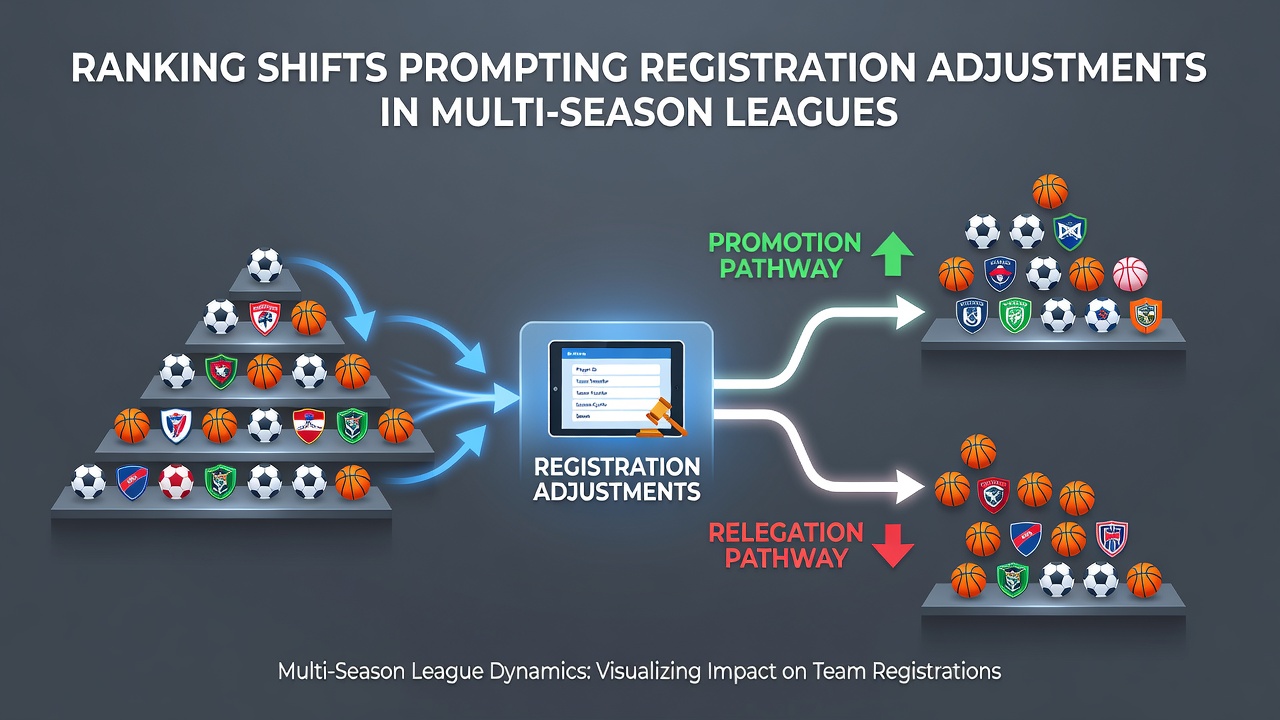
Ranking systems in multi-season leagues operate through continuous point accumulation and periodic resets that determine eligibility thresholds for subsequent cycles, and observers note how these mechanisms create direct pathways for participants to adjust their registration status based on performance data. Data from governing bodies indicate that shifts exceeding 15 percent in individual or team positions often correlate with enrollment changes in the following registration window, while leagues maintain structured timelines to accommodate such adjustments without disrupting ongoing competition schedules.
Mechanics of Ranking Calculations and Their Seasonal Carryover
Points accrue from match outcomes across divisions with weighted values assigned according to opponent strength and event prestige, yet researchers at sports analytics institutes have documented that late-season surges or declines can reposition athletes by multiple tiers before the next cycle begins. Those who track these systems find that formulas incorporating decay factors for older results ensure newer performances carry greater influence, which in turn prompts athletes and teams to evaluate registration options as standings stabilize. In practice this means a competitor dropping below a protected ranking threshold may withdraw from a higher division entry and seek placement in a lower category, while those ascending often submit upgrades before deadlines close.
Registration Adjustment Patterns Observed Across League Formats
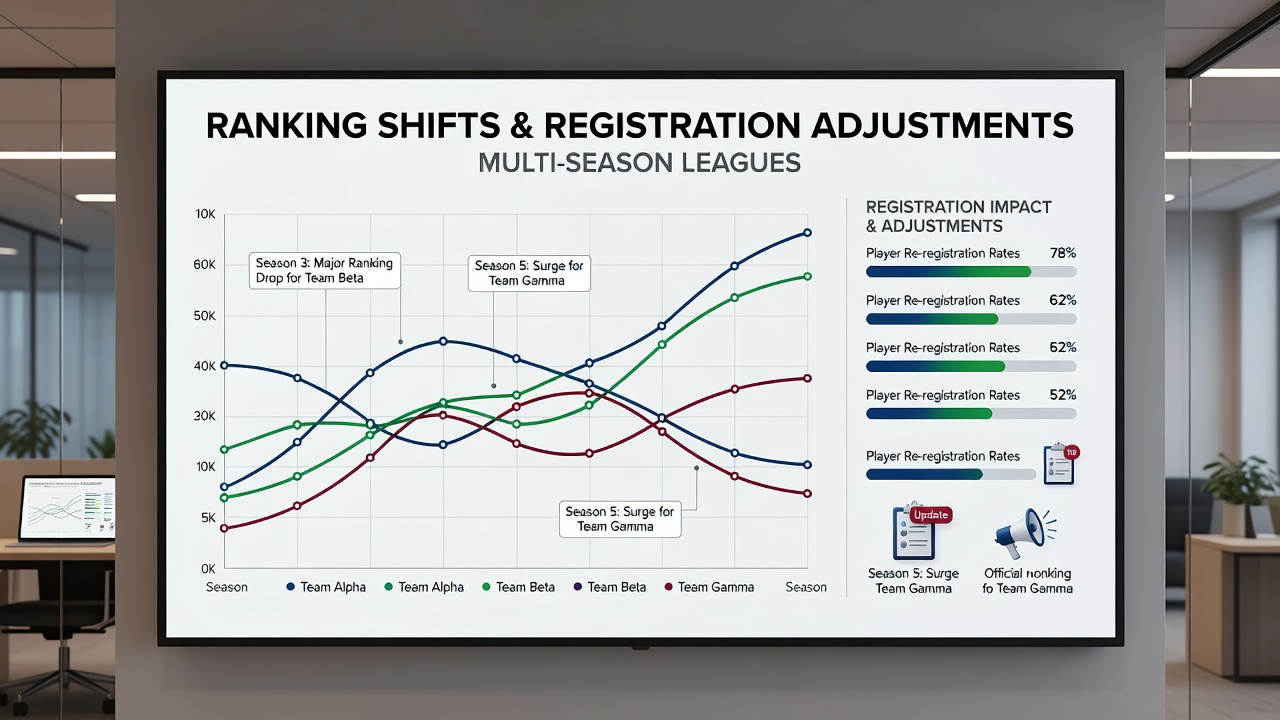
Leagues operating over multiple seasons typically open registration periods at fixed intervals such as every four months or after major tournaments conclude, and statistics compiled by regional athletic associations reveal that approximately 22 percent of participants initiate changes following significant ranking movements. These modifications include division switches, team roster alterations, and in some cases complete withdrawals when points fall short of minimum requirements. Evidence from administrative records shows that digital platforms integrated with live scoring reduce processing times for such requests to under 48 hours in most cases, allowing seamless transitions between seasons without administrative bottlenecks.
Data Trends Emerging in Mid-2026
Figures released in July 2026 by the Australian Sports Commission highlighted a 19 percent increase in mid-cycle registration adjustments compared with the prior year, driven primarily by ranking volatility in regional circuits. Analysts examining these patterns attribute the rise to expanded use of real-time result feeds that accelerate point updates and make positional changes visible earlier in the season. Participants in amateur and semi-professional divisions appear particularly responsive, with enrollment shifts occurring most frequently in the 30 days following major ranking publications.
One study conducted by sports management researchers at a Canadian university tracked over 4,000 athletes across three consecutive seasons and found that ranking drops of 50 or more positions prompted registration downgrades in 67 percent of tracked cases. Conversely, upward movements led to upgrade requests in 54 percent of instances, demonstrating a clear bidirectional relationship between standing changes and enrollment decisions. These findings align with broader observations from European league administrators who report similar ratios in their annual reports.
Case Examples from Established Multi-Season Structures
Take the example of a European handball federation that maintains separate divisions with promotion and relegation based on cumulative rankings, where data shows registration adjustments spike after the winter ranking release. Teams that fall below promotion lines frequently request placement in lower tiers to avoid competitive mismatches, while rising squads submit applications for higher divisions before the spring window closes. Similar dynamics appear in North American volleyball circuits, where sportanddev.org documentation notes that clubs monitor mid-season standings closely to time their roster and division decisions.
Those managing amateur basketball leagues in urban centers report that ranking shifts also influence individual player registrations, as athletes seek environments matching their updated competitive level. Records indicate that such adjustments help maintain balanced divisions and reduce forfeit rates caused by mismatched pairings, since participants self-select into appropriate tiers based on current points totals.
Administrative Responses and System Adaptations
League operators have introduced provisional registration options that allow athletes to submit conditional entries pending final ranking confirmation, and this approach has reduced last-minute withdrawals according to internal metrics shared by several federations. Automated alerts sent through league software notify participants when their positions cross critical thresholds, enabling proactive planning rather than reactive scrambling. Research indicates these tools have lowered administrative workload by streamlining the review process for adjustment requests.
Conclusion
Ranking fluctuations serve as a primary driver for registration modifications in leagues that span multiple seasons, with quantitative data confirming measurable correlations between positional changes and enrollment behavior. Administrative systems continue to evolve through integrated technology that supports timely adjustments while preserving competitive integrity across cycles. Observers tracking these patterns expect continued refinement of both ranking algorithms and registration protocols as leagues seek to accommodate the dynamic nature of performance-based standings.